- SPLUMA reference
- Section 16(1)(a) - Establishment of a township
- Typical timeline
- 12 - 24 months from lodgement to proclamation
- Applies to
- Developers and landowners creating new residential, mixed-use or industrial townships
- Cost drivers
- Engineering services, EIA, traffic, social facilities provision, bulk services contributions
What township establishment achieves
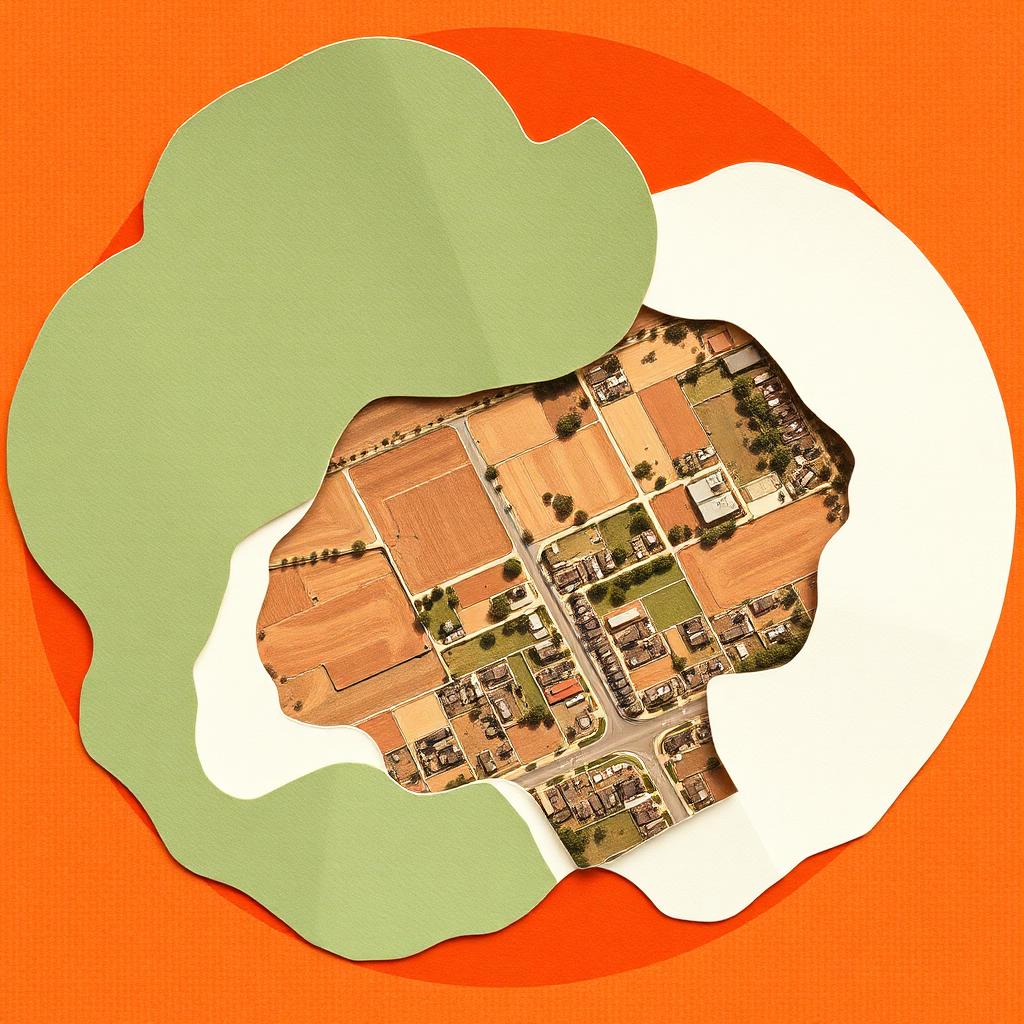
Township establishment is the legal mechanism by which a piece of undeveloped land - typically a farm portion or large unproclaimed holding - is converted into a fully proclaimed township: a layout of new erven, street network, public open space, and engineering services, each erf carrying its own zoning, diagram and (eventually) title deed.
It is the largest, most resource-intensive land-use application available under SPLUMA and is the foundation of every new residential, mixed-use or industrial development at suburb scale.
Who needs to apply
Property developers, listed development companies, government departments releasing land for housing, and large landowners assembling new estates. Smaller landowners almost never lodge a township themselves - they sell the bulk land to a developer who carries the process.
The package - large and specialist-led
Application form, layout plan, motivational report, locality plan, full Environmental Authorisation under NEMA where applicable, Traffic Impact Assessment, geotechnical report, services report (water, sewer, stormwater, electricity, refuse), Social Impact Assessment where required, heritage clearance, agricultural-land assessment, and a detailed services-agreement with the municipality covering bulk contributions and internal infrastructure.
The process step by step
1. Pre-application engagement with the municipality and the bulk-services providers.
2. Compile the specialist studies and the layout.
3. Lodge the application and pay the (substantial) application fee.
4. Public participation - extensive, usually including newspaper adverts, site notices, ward-level meetings and stakeholder workshops.
5. Departmental circulation and resolution of comments.
6. Municipal Planning Tribunal decision.
7. Conclusion of the services agreement and payment of bulk-services contributions.
8. Surveyor-General approval of the township diagram.
9. Proclamation in the Provincial Gazette and opening of the township register at the Deeds Office.
Common pitfalls
- 01Lodging the township before bulk-services capacity has been confirmed - almost always the cause of delay.
- 02Underestimating environmental authorisation timeframes - NEMA processes routinely take 9 to 12 months on their own.
- 03Not pricing bulk contributions into the development budget early enough.
Frequently asked questions
How big does the land have to be to justify township establishment?+
There is no statutory minimum. As a rule of thumb, anything under about 20 erven is usually achieved more cheaply with a subdivision; anything larger trends toward township establishment for the layout, services and proclamation benefits.
Can I sell erven before proclamation?+
You can enter into conditional sale agreements, but no transfer at the Deeds Office can happen until the township is proclaimed and the township register opened.
Keep reading
Read time- Article 01
Rezoning in South Africa: a complete guide
Rezoning changes the zoning category of a property so a different land use becomes lawful. Here's how the SPLUMA process works, what it costs, and how long it takes.
8 min - Article 02
Special Consent (Consent Use) applications explained
Special Consent lets the municipality authorise a use that the zoning scheme lists as a consent use - typically faster and cheaper than a full rezoning.
6 min - Article 03
Property subdivision in South Africa: a practical guide
Subdivision splits one registered erf into two or more separate erven. Each new erf gets its own deed of transfer, services and rates account.
7 min